
Yesterday, we co-hosted a powerful hybrid workshop with the People Against Budget Cuts (PABC) and Cry of the Xcluded, bringing together activists, organisers, and community members to unpack the 2026 Budget and its implications for ordinary people struggling to survive amid deepening inequality, unemployment, and the collapse of public services.
The workshop focused on analysing the 2026 Budget within the broader political and economic crisis facing South Africa. Discussions explored how government revenue is collected, who bears the burden of taxation, and how public spending decisions continue to shape the daily realities of working-class and poor communities.
Opening the discussion with a broader political contextualisation, Brian Ashley, AIDC Coordinator, emphasised the urgent need for a bold and people-centred approach to economic justice. He stressed the importance of the Tax the Rich campaign, arguing that South Africa has the resources to meet people’s needs if wealth is redistributed fairly.
“The Tax the Rich campaign is very, very important for us,” he said. “We’re going to demonstrate where we can tax the rich, where it’s possible, where we can get extra revenue.”
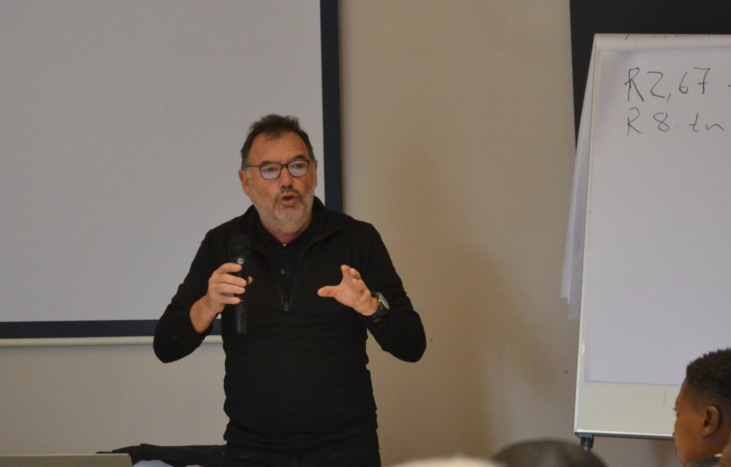
“Housing, transport, energy, and food, those are the fundamental things that we must be doing locally,” Brian Ashley.
His contribution highlighted a growing frustration with an economic system that protects wealth while millions face unemployment, hunger, and worsening living conditions. He also drew attention to the ongoing crisis of youth unemployment, particularly significant as the country commemorates 50 years since the 1976 June uprising.
“The issue of youth unemployment is absolutely critical,” he said. “Remember, we are commemorating 50 years of the June ’76 uprising that began to change this country. That rebellion, that uprising of youth, went towards challenging the system. Today, the rebellion of youth is fragmented. It’s not united, and it’s not directed.”
Brian argued that any meaningful economic transformation must begin by directly addressing people’s unmet needs. He called for a re-industrialisation strategy rooted in building local economies that prioritise essential services and dignified livelihoods.
“Housing, transport, energy, and food, those are the fundamental things that we must be doing locally,” he said.
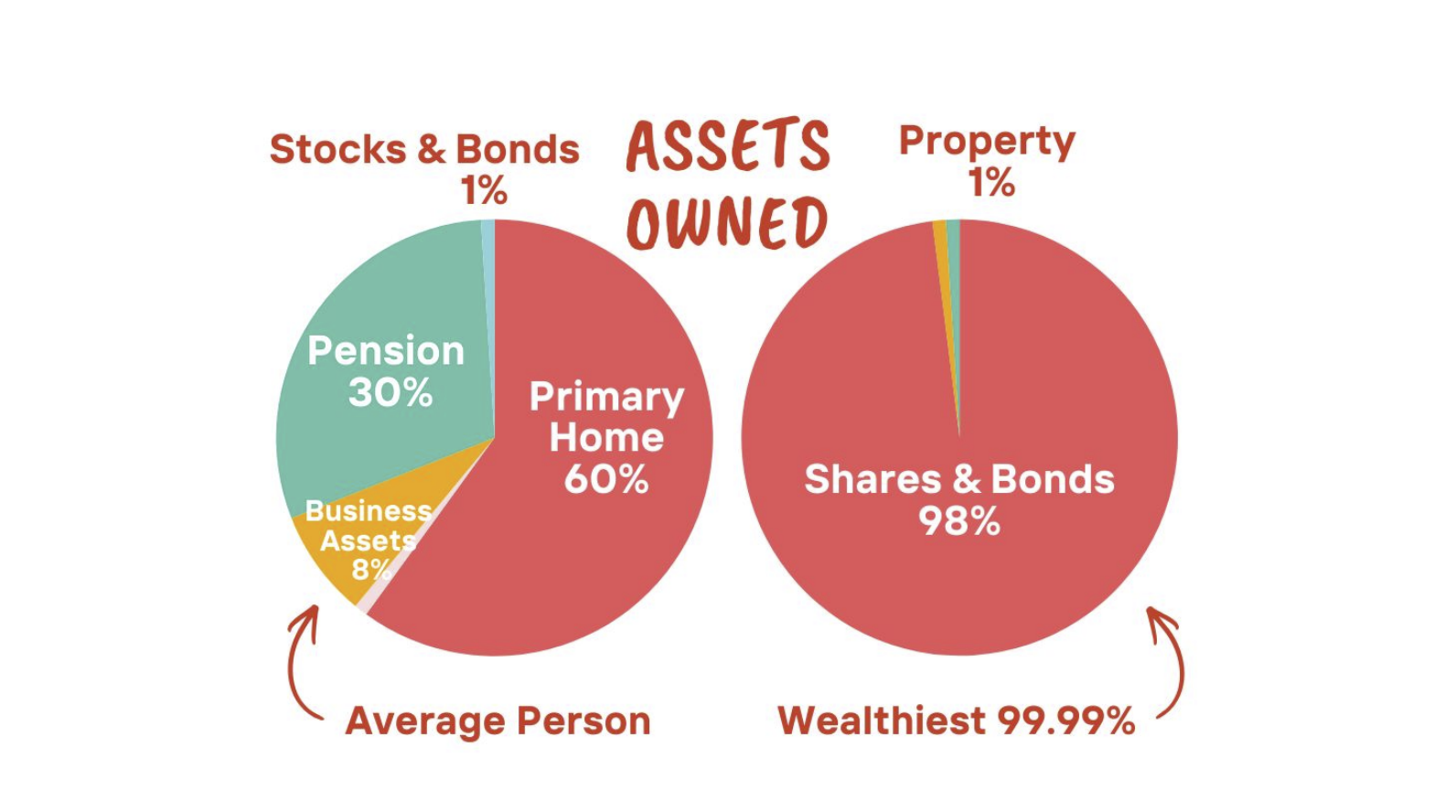
AIDC Tax Justice Project Officer, Chloé van Biljon, presented a critical analysis of revenue and taxation in the 2026 Budget. Her presentation challenged the assumption that South Africa’s tax system is progressive and highlighted the many untapped opportunities to raise public revenue through fairer tax policies.
“Our tax system is not as progressive as we think,” she said. “There’s a lot more that we can do to collect more revenue.”
Click here to see the presentation.
Her contribution reinforced calls for stronger wealth taxes and greater accountability from corporations and the wealthy, rather than continuing to place the burden of austerity on poor and working-class communities.
Focusing on government expenditure, AIDC Economic Justice Project Officer, Aliya Chikte, highlighted the devastating impact of budget cuts on service delivery. She pointed to a 2.1% decrease in community development spending, warning that this would further undermine access to housing and essential free basic services such as water and electricity.

Click here to see the presentation.
These cuts come at a time when millions already face deepening poverty, rising costs of living, and inadequate access to basic services. Participants in the workshop reflected on how austerity measures continue to worsen inequality while limiting the state’s ability to respond to people’s urgent social and economic needs.
The workshop formed part of ongoing efforts to build a united and militant anti-austerity movement capable of challenging policies that prioritise profit over people. Across the country, communities are organising against budget cuts, privatisation, unemployment, and the erosion of public services.
If you are interested in hosting a similar workshop in your community, organisation, or movement, or if you want to join the growing struggle for a people-centred economy and a strong anti-austerity front, we encourage you to reach out and connect with us.
Another economy is possible, but only if ordinary people organise collectively to demand it.

